parcheesi board game
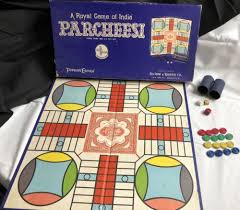
parcheesi board game a classic board game known as the “Royal Game of India,” has enchanted players for centuries with its blend of strategy, luck, and social interaction. Rooted in ancient traditions and popularized in the modern era,parcheesi board game Parcheesi remains a beloved pastime in households worldwide. Its colorful board, simple rules, and competitive spirit make it accessible to players of all ages, while its depth ensures lasting appeal. This article explores the origins, mechanics, cultural significance, and enduring charm of parcheesi board game, revealing why it continues to captivate generations.
Origins and Historical Roots
parcheesi board game traces its origins to the ancient Indian game of Pachisi, played as early as the 4th century CE. Pachisi, meaning “twenty-five” in Hindi, was a strategic race game played on a cross-shaped board, often with cowrie shells as dice. Legend holds that Emperor Akbar I played parcheesi board game on a grand scale, using courtiers as living pieces on a courtyard board. The game spread across Asia and the Middle East, evolving into regional variants like Chaupar and Parqués.
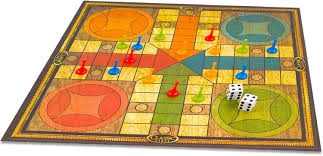
In the 19th century, parcheesi board game was adapted for Western audiences by the American company Selchow & Righter, which trademarked the name “Parcheesi” in 1874. This version simplified the rules and introduced a vibrant, mass-produced board, making it a staple in American homes. Over time, Parcheesi became synonymous with family game nights in player 100 squid game 2 , its distinctive star-and-square board a symbol of shared fun. Today, it remains a flagship game for brands like Winning Moves and Hasbro, with modern editions preserving its classic charm.
How Parcheesi Works
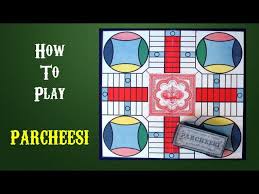
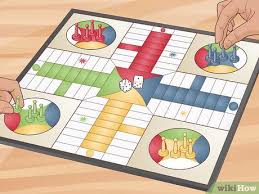
parcheesi board game is a race game for two to four players, played on a square board with a cross-shaped path. Each player controls four pawns, starting in their colored “nest” (red, blue, green, or yellow). The objective is to move all four pawns from the nest, around the outer path, and into the central “home” space before opponents do. Movement is determined by rolling two six-sided dice, with players using the numbers individually or combined.
The parcheesi board game begins with players rolling to enter pawns onto the board, requiring a five (or a combination including five) to move a pawn from the nest to the starting space. Once on the board, pawns advance clockwise based on dice rolls. Strategic decisions arise when choosing which pawn to move, as players can split dice totals between two pawns or use the full total for one. Rolling doubles grants an extra turn but comes with a risk: rolling three doubles in a row sends the player’s furthest pawn back to their nest.
parcheesi board game excitement lies in its interactive mechanics. Landing on an opponent’s single pawn captures it, sending it back to their nest and earning the capturing player a 20-space bonus. However, parcheesi board game two pawns of the same color on a space form a blockade in player 222 squid game season 2, which cannot be landed on or passed, adding a layer of tactical depth. The home path, accessible only to pawns that have circled the board, is a safe zone where strategy shifts to precise dice rolls.
Why Parcheesi Endures
Parcheesi’s appeal stems from its elegant balance of luck and strategy. The dice introduce unpredictability, leveling the playing field for younger or less experienced players, while choices about pawn movement, captures, and blockades reward clever planning. This mix ensures that no two games are alike, keeping players engaged across multiple sessions.
The parcheesi board game social nature is another draw. Parcheesi thrives on interaction, from cheering a lucky roll to groaning at a capture. Its multiplayer format fosters friendly rivalries, making it ideal for family gatherings or casual game nights. The tactile experience—rolling dice, moving pawns, and watching the board evolve—offers a satisfying contrast to digital entertainment, appealing to those seeking unplugged fun.
Parcheesi’s accessibility also contributes to its longevity. The rules are simple enough for children as young as six to grasp, yet the game’s depth ensures adults remain challenged. Its compact board and durable components make it easy to store and transport, while affordable editions ensure wide availability.
Cultural Significance and Educational Value
board game parcheesi holds a unique place in global gaming culture. As a descendant of Pachisi, it carries the legacy of one of the world’s oldest board games, connecting modern players to ancient traditions. In India, Pachisi variants remain popular, often played during festivals like Diwali. In the West, Parcheesi’s rise in the 20th century cemented its status as a cultural icon, referenced in literature, film, and even board game cafés.
Educationally, Parcheesi offers subtle but valuable lessons. For children, it teaches basic math through dice addition and movement counting, as well as probability concepts. Strategic thinking and risk assessment develop as players weigh options like pursuing a capture versus advancing toward home. The game also fosters social skills, encouraging sportsmanship and patience during competitive play.
In classrooms, Parcheesi is sometimes used to teach decision-making or cultural history, given its Indian roots. Its multiplayer format makes it a lively group activity, promoting collaboration and communication. For families, it serves as a screen-free bonding tool, bridging generational gaps.
Modern Relevance and Community
Parcheesi’s fanbase remains vibrant in quintessential game, with online forums and social media groups sharing strategies and nostalgic stories. Board game enthusiasts on platforms like BoardGameGeek praise its replayability, while families pass down vintage sets as heirlooms. Modern editions, including deluxe versions with wooden pawns, cater to collectors, while digital adaptations bring Parcheesi to mobile devices, though purists prefer the tactile original.
The game’s adaptability ensures its relevance. House rules, like adjusting the doubles penalty or adding team play, keep it fresh. Parcheesi tournaments, though less common than for games like chess, pop up in community centers, celebrating its competitive spirit.
Conclusion
Parcheesi is more than a board game—it’s a timeless bridge between cultures, eras, and generations. Its blend of luck, strategy, and social interaction creates a universally appealing experience that transcends trends. From its ancient Indian roots to its place in modern homes, Parcheesi embodies the joy of gathering around a board, rolling dice, and outwitting opponents. As families continue to discover its charms, this royal game proves that simple pleasures can endure, one pawn at a time.