The Rise and Fall of Google+ Games: A Retrospective
Introduction
In the early 2010s, social media platforms were racing to dominate the digital landscape. gotm game Google, not content with its search engine supremacy, launched Google+ in 2011 to challenge Facebook’s social networking reign. A key feature of Google+ was its gaming platform, Google+ Games, which aimed to blend social interaction with casual gaming. This article explores the brief but ambitious history of Google+ Games, its offerings, its impact, and the reasons behind its eventual demise, reflecting on its place in the evolution of social gaming.

The Launch of Google+ Games
Google+ debuted on June 28, 2011, as an invitation-only platform, positioning itself as a socially integrated alternative to Facebook. By August 2011, Google+ Games was introduced to enhance user engagement. Unlike standalone gaming platforms, Google+ Games was embedded within the social network, allowing users to play games, share scores, and invite friends directly from their Google+ profiles. The platform launched with a curated selection of titles, including popular games like Angry Birds, Zynga Poker, and Bejeweled Blitz, leveraging partnerships with established developers like Rovio, Zynga, and PopCap Games.
The integration of games into Google+ was designed to capitalize on the social gaming boom sparked by Facebook’s success with titles like FarmVille. Google+ Games gundam card game offered features such as leaderboards, achievements, and a “Games Stream” where users could see their friends’ gaming activity, fostering a sense of community and competition. Google emphasized a non-intrusive approach, ensuring game notifications didn’t overwhelm users’ main social feeds, a subtle jab at Facebook’s often spammy game invites.
The Appeal and Features
Google+ Games stood out for its seamless integration with the broader Google ecosystem. Players could access games using their Google accounts, eliminating the need for separate logins. The platform supported both browser-based and mobile games, reflecting Google’s ambition to bridge desktop and mobile experiences. Games were hosted on Google’s robust infrastructure, promising smooth performance and minimal latency.
The platform’s social features were a major draw. gundam trading card game Players could challenge friends to beat their high scores, share in-game achievements, and join multiplayer sessions. For instance, Zynga Poker allowed real-time card games with Google+ Circles, a feature that let users organize contacts into groups for tailored sharing. Google also introduced a developer-friendly API, enabling creators to build games that leveraged Google+’s social graph, encouraging innovation and variety.
At its peak, Google+ Games hosted dozens of titles across genres, from puzzle games like Sudoku to strategy games like City of Wonder. The platform’s clean interface and focus on quality over quantity aimed to attract casual gamers who valued quick, engaging experiences. Google’s partnerships with major developers ensured a steady stream of recognizable titles, while indie developers also found a platform to showcase their work.
Challenges and Decline
Despite its promising start, Google+ Games faced significant hurdles. The most glaring issue was Google+’s struggle to build a substantial user base. While Google+ reached 10 million users within weeks of its launch, it never matched Facebook’s scale or cultural impact. Many users saw Google+ as a redundant social network, and its complex features, like Circles, confused rather than captivated mainstream audiences.hacked games online Without a critical mass of active users, the social aspects of Google+ Games—its core strength—lacked the vibrancy needed to sustain engagement.
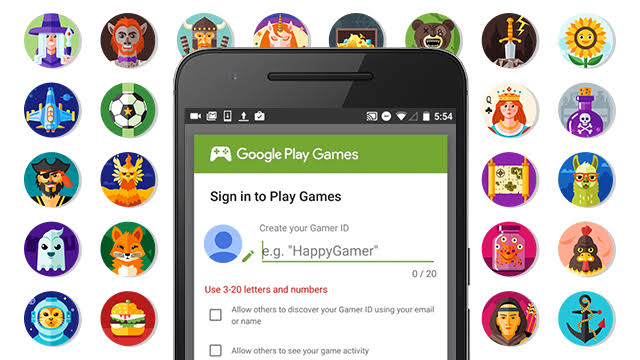
Competition was another factor. Facebook’s gaming ecosystem, bolstered by millions of daily active users, dominated the social gaming market. Zynga’s FarmVille and Words With Friends thrived on Facebook, and developers prioritized that platform over Google+. Apple’s Game Center and emerging mobile app stores also drew attention away from browser-based social games, as smartphones became the preferred gaming device.
Google’s strategic missteps compounded these issues. The company imposed a 30% revenue share on in-game purchases, matching Apple and Google Play but alienating some developers who found Facebook’s terms more favorable. Additionally, Google+ Games lacked exclusive, must-play titles to differentiate itself. While Angry Birds was a hit, it was available on multiple platforms, diluting Google+’s unique appeal.
By 2013, Google began scaling back its gaming ambitions. The company shifted focus to other priorities, such as Google Play and Android gaming. Google+ Games was quietly deprecated, with many titles disappearing as developers pulled support. The broader Google+ platform itself struggled, and by 2015, Google announced plans to dismantle Google+’s core features. The gaming component faded into obscurity, a footnote in Google’s sprawling product history.
Legacy and Lessons
Google+ Games, though short-lived, offers valuable lessons about the intersection of social media and gaming. It highlighted the importance of a vibrant user base for social gaming platforms—without active players, even the best-designed features fall flat. It also underscored the challenges of entering a crowded market late, especially against entrenched competitors like Facebook.

The platform’s emphasis on integration foreshadowed trends in modern gaming ecosystems. Today, platforms like Discord and Xbox Live blend social networking with gaming, echoing Google+ Games’ vision. Google’s later ventures, such as Stadia (launched in 2019 and shut down in 2023), reflect its continued interest in gaming, albeit with mixed success.
In retrospect, Google+ Games was a bold but flawed experiment. It showcased Google’s technical prowess and ambition but couldn’t overcome the social network’s broader failures. For gamers and developers who experienced it, Google+ Games remains a nostalgic relic of an era when social media platforms vied to be the ultimate hub for digital entertainment.
Conclusion
Google+ Games was a fleeting but fascinating chapter in the evolution of social gaming. Launched with high hopes, it offered a polished, socially integrated gaming experience but succumbed to Google+’s inability to rival Facebook and the shifting tides of the gaming industry. Its story serves as a reminder that even tech giants can falter when user adoption and market timing don’t align. As social gaming continues to evolve, Google+ Games stands as a curious case study in ambition, innovation, and unrealized potential.